Dr Pankaj Chhabra, Associate Professor, Dept of Home Science, ML&JNK Girls College, Saharanpur, U.P.
Meaning
Sensory evaluation is done by the use of sensory organs. It is the qualitative as well as descriptive evaluation of food. Sensory evaluation is a science by which one measures, analyses and interprets the sensory reactions of people towards the food products. It is a means of determining differences in sensory characteristics of food products. The differences are interpreted in terms of likeness of one product over other. This evaluation takes short time and does not cost much.
Sensory characteristics of food
Food is analysed for their sensory characteristics. Use of five sensory organs (eyes, nose, tongue, ear and skin) helps to determine sensory characteristics of food. In broader sense, there are five types of sensory characteristics—-
- Eye appeal
- Odour
- Taste
- Sound
- Texture
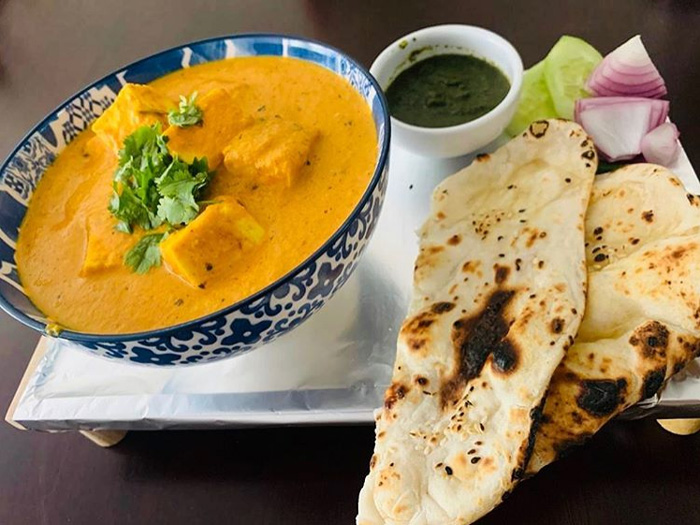
Eye Appeal : Due to this characteristics one can feel attracted towards taking of food. There is a saying that first impression is the last impression. Eye appeal is the first impression of food. Colour combinations, size and shape constitute the eye appeal of the food. Soothing colour combinations add attractiveness of the food served. Colour is the indication of freshness or spoilage of the food. Colour scheme can be matched to measure differences in colour combinations of various foods. Colour of tea tells us how weak or dark it is to take. Size denotes to portion sizes of food which should be according to the eating behaviour of a person. shape denotes to the shape given to food samples to increase its outlook.
Odour : Nose is responsible for the sense of odour. With respect to food samples, smell is called as odour. Odour is of two types – flavour and aroma. Normally, our tongue gets the credit for detecting flavour but it is actually picked up by our olfactory system located in the nasal cavity. As we chew, odour travels via the back of the mouth to olfactory receptor cells which transmit the data to our olfactory nerve. From the olfactory nerve, the data is sent to our brain for its interpretation.
Taste : Our tongue is responsible for taste. Our tongue can take and interpret four types of taste– salty, sweet, sour and bitter. When food is taken into the mouth, tongue and teeth work together to break it down into molecules with the help of enzymes in saliva. Taste receptors are of special kind which can taste various taste. Taste receptors are also called chemoreceptors. These receptors collect from the environment and convert it into a nervous signal that can be understood by the brain.
Sound : It appears one can listen while having food. Ears are responsible for this.
Texture : – Texture of food can be described in various form. As we chew we may experience such textures:
1.Crispness 2.Crunchiness 3.Brittleness 4.Hardness 5.Stickiness 6.Gumminess 7.Smoothness 8.Softness 9.viscous 10.Chewiness 11.Adhesiveness 12.Creamy in mouth feel 13.Elastic 14.Sponginess Crispiness, crunchiness, chewyness, hardness, gumminess, softness, creamy, smoothness, viscous, adhesiveness feels when we take the food between the jaw while Stickiness, velvety, brittleness, elastic, sponginess feels when we take the food between finger and ball of thumb.






 Ecological Living